At The Flow Approach, assessment is not about measuring performance. It is about understanding the learner. It is gentle, intentional and responsive.
We assess not to sort or compare, but to support growth, guide readiness and honour the whole child.
Assessment in TFA is built on three interconnected elements:
- Flow Start – daily well-being check-ins through learner-led activities
- MAP Growth – academic diagnostics for readiness-based learning
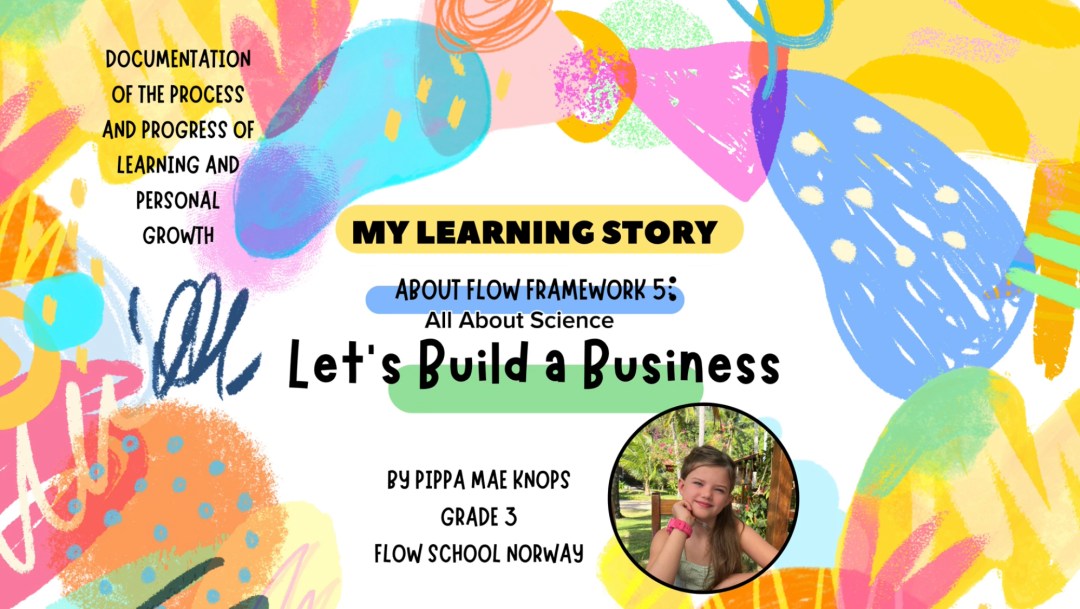
- My Learning Story – a dynamic tool for documenting growth, reflection, and inquiry
✺ Flow Start: Where Assessment Begins
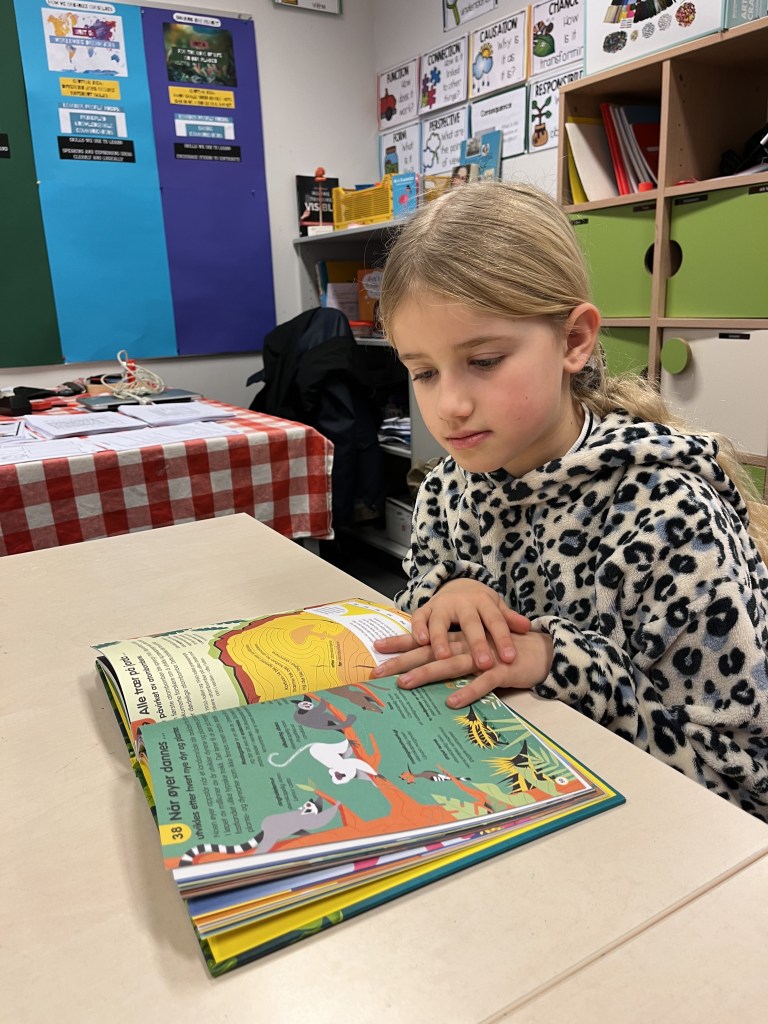
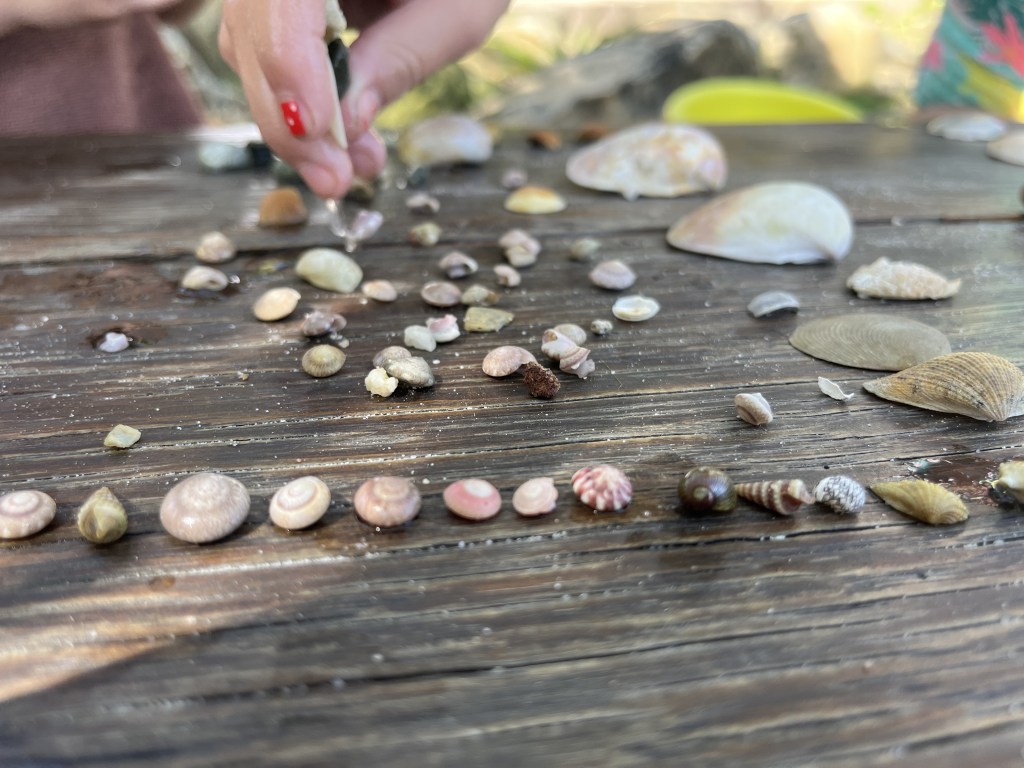
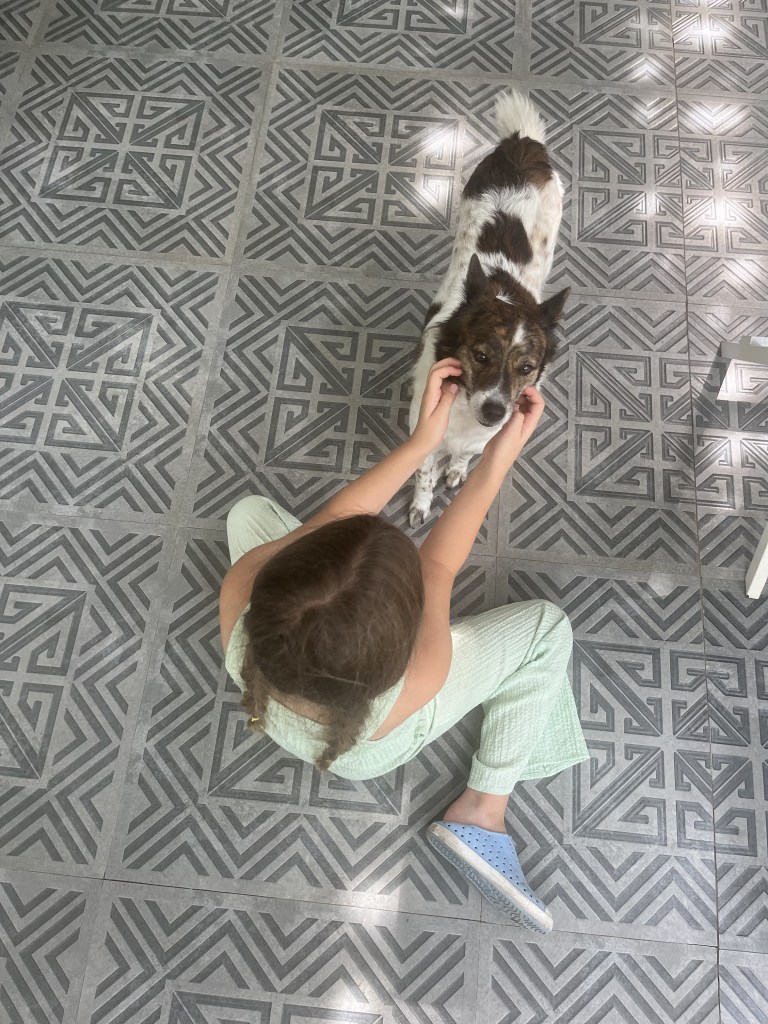
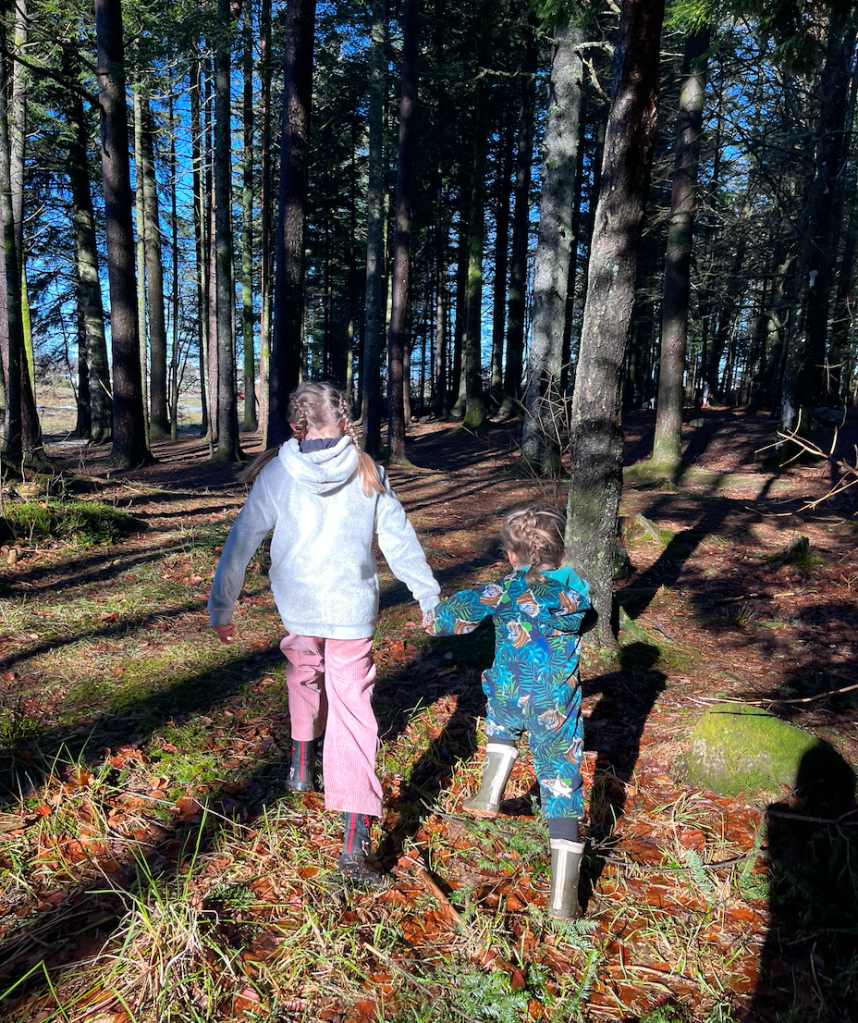
Every school day begins with Flow Start: learner-chosen activities that foster calm, creativity, connection, or movement. These moments are intentionally unpressured and joyful. They provide educators with deep insight into:
- Emotional regulation
- Energy and focus
- Group dynamics and learner well-being
- Readiness to engage
Flow Start acts as daily formative assessment, allowing Flow Guides to adjust their approach and support each learner based on how they arrive at school that morning: mentally, emotionally and physically.


✺ MAP Growth: Readiness-Based Academic Data
To guide learning in the core academic areas of Mathematics and English, TFA uses NWEA MAP Growth Assessments. These internationally recognized, adaptive assessments provide:
- Insight into each learner’s current academic level
- Clarity on what the learner is ready to learn next
- A visualized view of individual growth over time
Rather than ranking or labeling, MAP Growth is used to ensure each learner is met where they are. The results inform personalized planning, allowing Flow Guides to adapt instruction to suit readiness rather than on age and grade level.
MAP data is used to support, never to define.
And then we have the data… What’s next?
With the data, the Flow Guide and learner will sit together to see and
✺ My Learning Story: Inquiry, Growth & Voice
Beyond core academics, TFA believes that learning is everywhere — in projects, relationships, questions, failures, creativity, and self-discovery.
My Learning Story is our digital tool for documenting this full spectrum of growth.
Each Learning Story begins with a simple, essential question:
“What do I already know?”
The learner then explores:
“What am I curious about?”
“What do I wonder?”
This inquiry fuels the learning. With the support of their Flow Guide, the learner creates a personalized plan to explore their question, reflect on their process, and gather evidence of growth.
Examples include:
- My Mathematics Learning Story — exploring percentages through real-life applications
- My Language Learning Story — tracking progress in learning a new language
- My Learning Story About Being a Good Friend — developing social skills and empathy
- My Learning Story About Sustainability — driven by a curiosity about the natural world
My Learning Story invites learners to document not just what they learn, but how they learn and why it matters to them. It values:
- Voice and agency
- Reflection and ownership
- Process over product
- Growth over performance
It is used for individual subjects, cross-disciplinary inquiry, mindset work, and social-emotional growth.
✺ Assessment with Intention
In The Flow Approach, assessment is never about pressure — it is a tool for empowerment.
We assess through:
- Observation and presence
- Dialogue and reflection
- Adaptive academic tools like MAP Growth
- Personal narratives through My Learning Story
- Readiness-focused goal setting
- Daily Flow Start interactions
✺ Become a TFA-Aligned School
Schools can become:
🔹 TFA Inspired Schools – gaining access to My Learning Story and support in learner-centered assessment practices
🔹 Fully Accredited TFA Schools – integrating Flow Start, MAP Growth, and My Learning Story within a full readiness-based, learner-driven model
Interested in becoming part of the TFA movement?
Reach out to: annette@theflowapproach.org
Bonus material:
My Learning Story Implementation Steps
STEP 1: Tuning in (igniting curiosity & prior knowledge about documenting learning & growth)
Spark curiosity by asking learners what they know about documentation and measuring growth. Possible questions to ask: What does the word “documentation” mean to you?
Have you ever kept track of your progress in learning something new? How did you do it?
How do you think we can measure growth in learning? What do you think is the purpose of documenting your learning journey? Can you think of any examples where documenting progress could be useful?
Step 2: Explanation by the educator
Provide a comprehensive overview of “My Learning Story” and illustrate its concept with an example. It helps to create a common understanding of how “My Learning Story” can look like. Learners shouldn’t copy the example, it is meant to set clear expectations.
Step 3: Share the Flow Framework and choose a ‘focus choice’
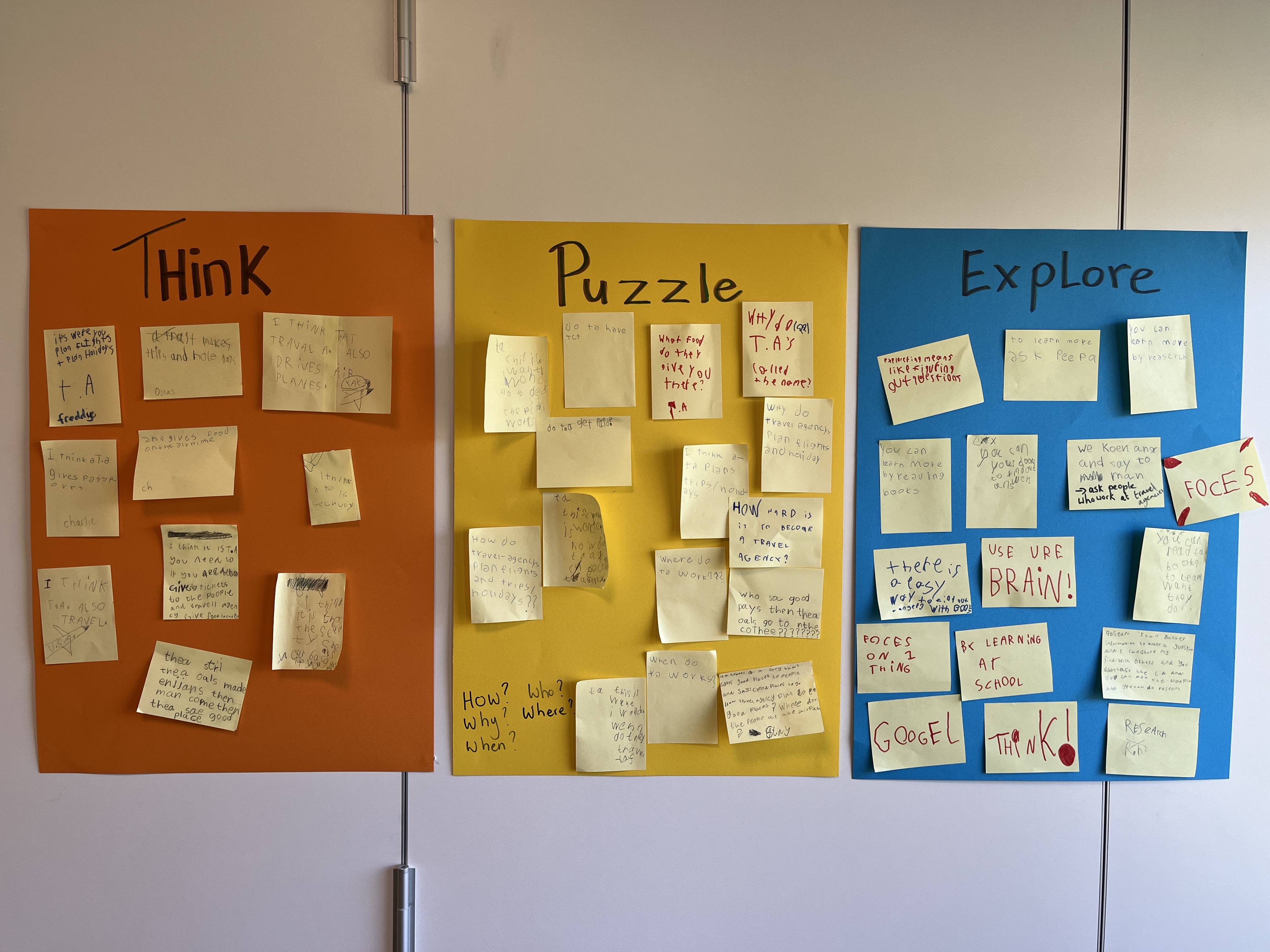
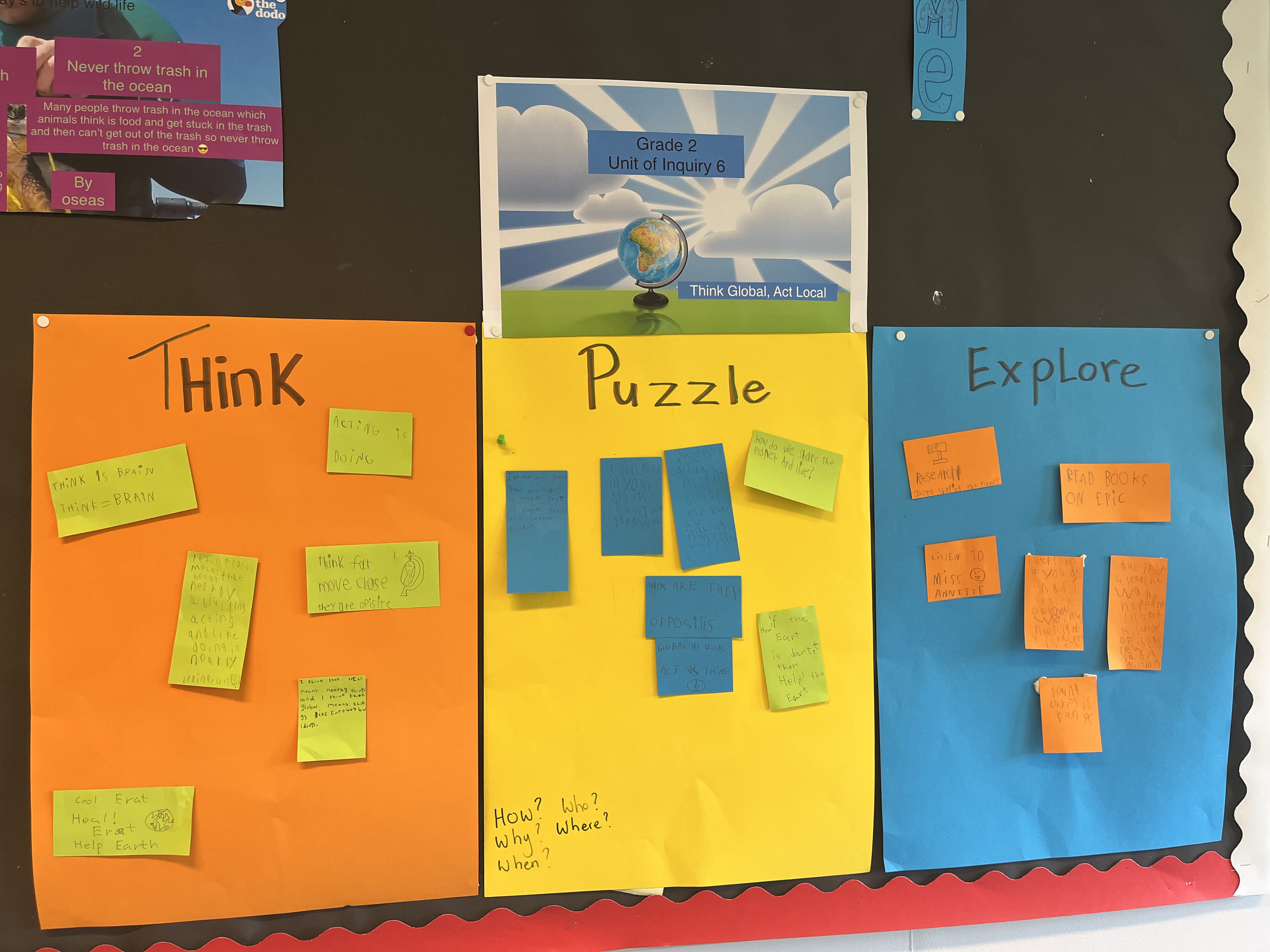
Share the new Flow Framework (All about You & Me, All about History, All about Art, All about Science, All about Sustainability, Let’s Celebrate) in an engaging manner, using a chosen method such as a Thinking Routine (Harvard Graduate School of Education’s Project Zero website shows an amazing toolbox to choose from) or provocation to pique learners’ interest. Together with your learning community, you choose a Focus Choice within the From Flamework. For example: Flow Framework 6: All about Sustainability – Focus Choice: Think Global, Act Local.
Step 4: Title Page Creation (on PicCollage/Canva/Piktochart/Figma)
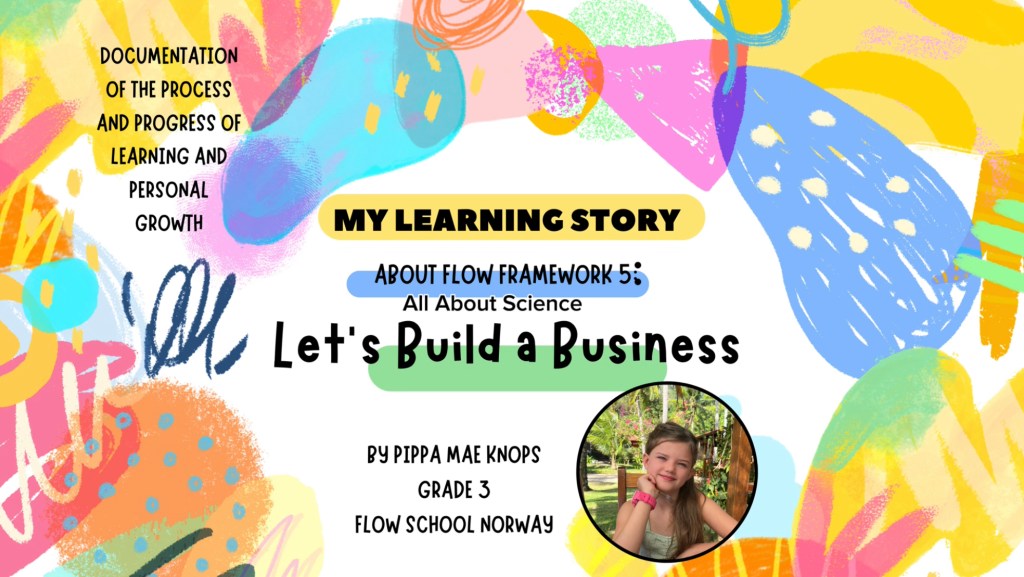
Guide learners in creating a captivating title page that serves as the cover of their learning journey. You can display important basic information, which includes the words “My Learning Story”, the title of the Flow Framework, the title of the Focus Choice and the name and grade of the learner. The learners are free to be as creative as they like while designing the title page. You can think and talk about the purpose and importance of a title page/cover with your learners.
Step 5: Template Display
Explain and demonstrate the template display area, providing learners with an understanding of where to access resources and templates for their “My Learning Story” pages.
You can choose to display wonderfully decorated templates with a lot of information, or to keep the templates as empty as possible with only the most basic information (page number and title of the page). It depends on your learners’ needs and wishes.

Step 6: Discuss the structure of My Learning Story
Explain to the learners that the structure of My Learning Story will always be the same, but the content will be decided by the learners. The structure:
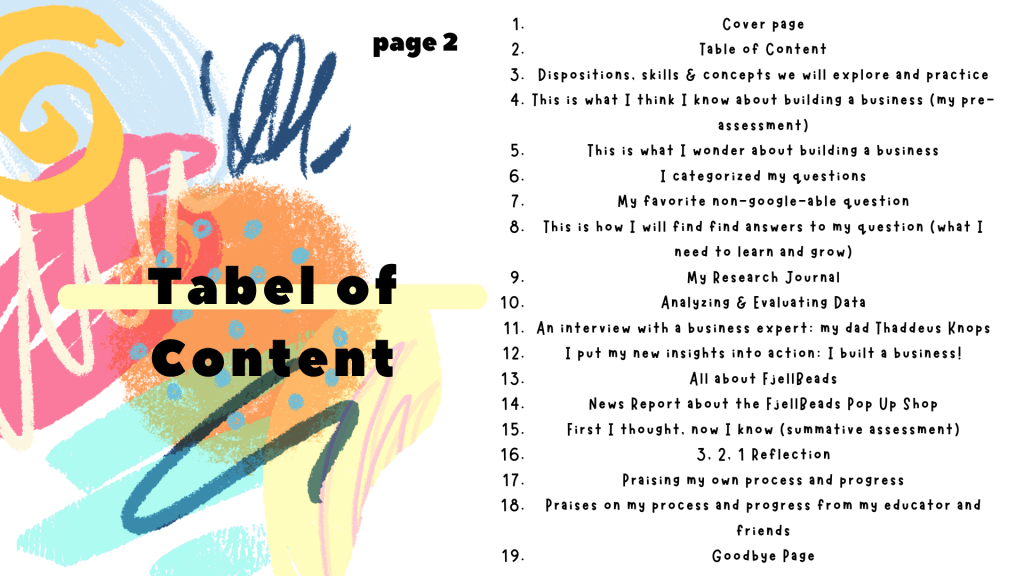
Page 1 – Title Page
Page 2 -Table of Contents
Page 3 – Framework & Focus Choice Explanation
Page 4 – This is what I think I know
Page 5 – This is what I wonder
Page 6 – Categorizing my questions
Page 7 – My favorite question (the one I choose to do research about)
Page 8 – What I need to find answers to my questions
Page 9 – Research Journal
Page 10 – Showing, Oberserving, Analyising, Evaluating Research Results
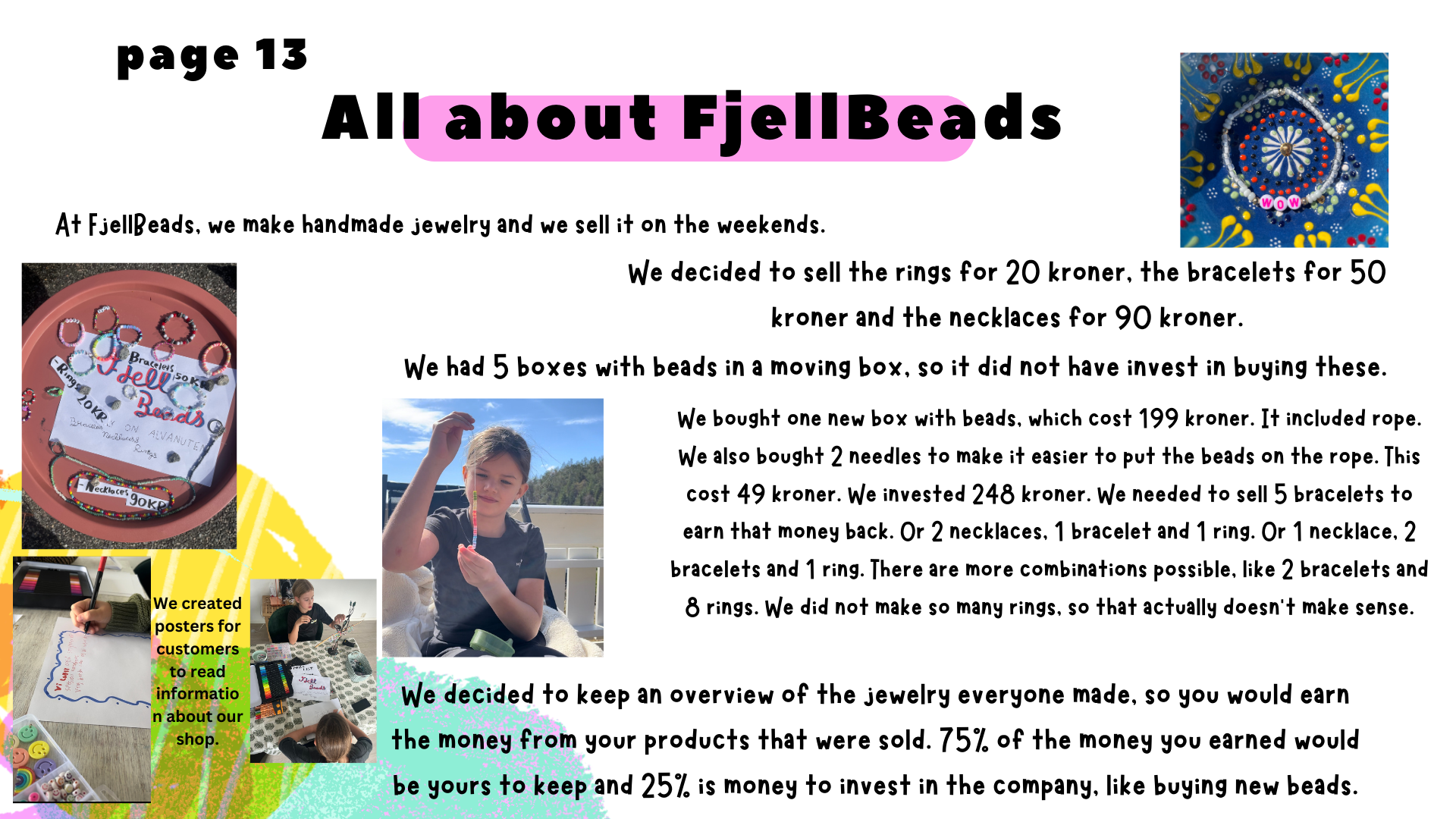
Page 11, 12, 13 – Documentation of a variety of learning experiences
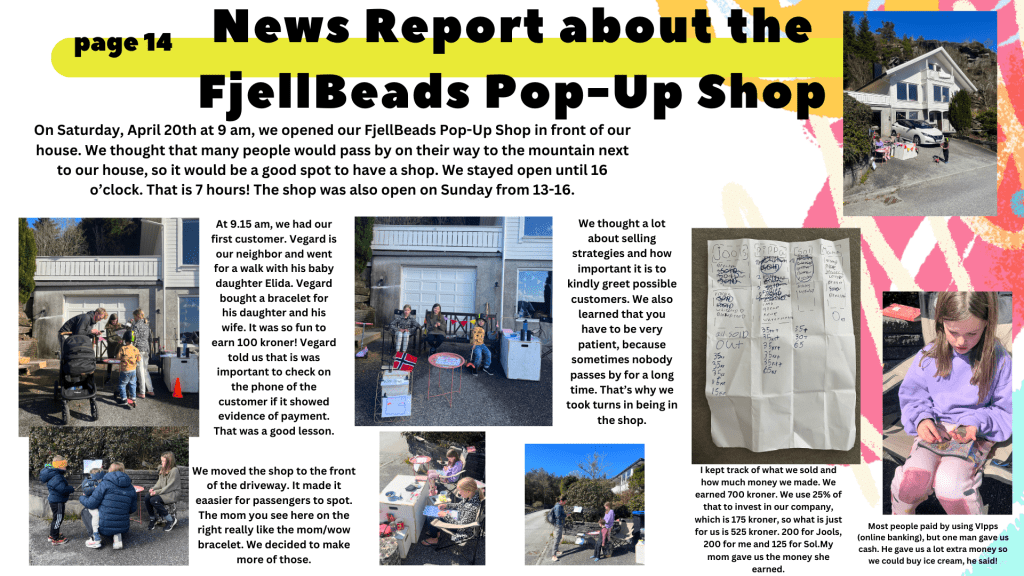
Page 14 – News Report about an important event/field trip/learning experience/action
Page 15 – First I thought, now I know/I used to think, now I think (summative assessment)
Page 16 – 3,2,1 Reflection
Page 17 – Praising my own process and progress of learning
Page 18 – Praises from my educator, family and friends
Page 19 – Goodbye Page
Step 7:
Create page 2: Table of Contents
Discuss the fluid nature of the Table of Contents page and its importance in organizing their learning journey, emphasizing its role in tracking progress and navigation.
It can help the learners to have a better understanding of what is coming up and what is expected when you show them the structure of My Learning Story by displaying the table of contents. Page 1-10 and 14-19 are set, but page 11,12 and 13 will be up to what the learner will explore and experience.
Step 8:
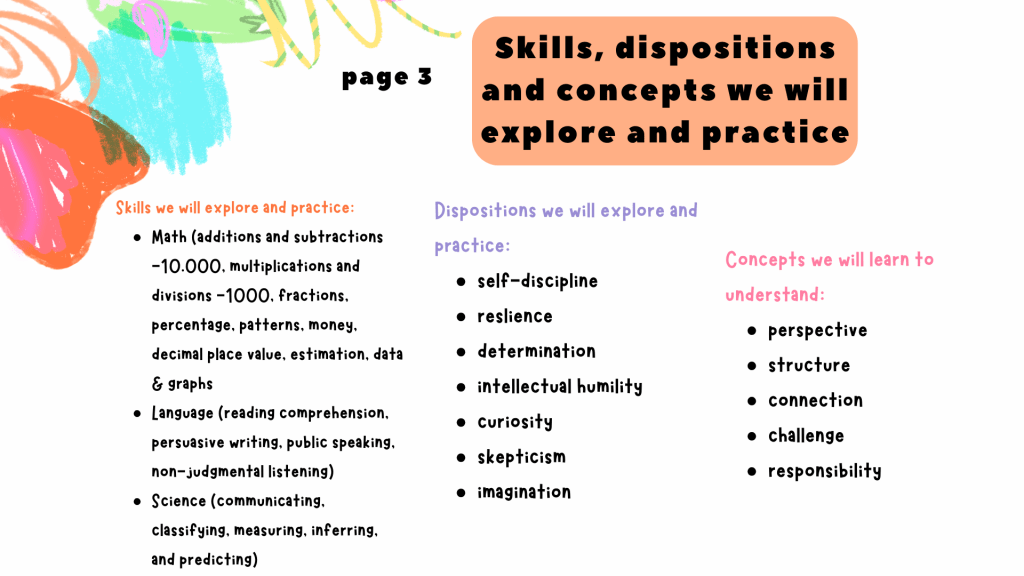
Create Page 3: Explanation of the Framework & Focus Choice
Engage learners in exploring the chosen dispositions, skills, and concepts, encouraging discussion and reflection on their relevance and potential growth areas. Let them know it is completely okay to not understand (most of) these words yet, because we are going to explore and learn to understand these: “Let’s see how you think about these words at the end of our Flow Framework.”
Step 9:
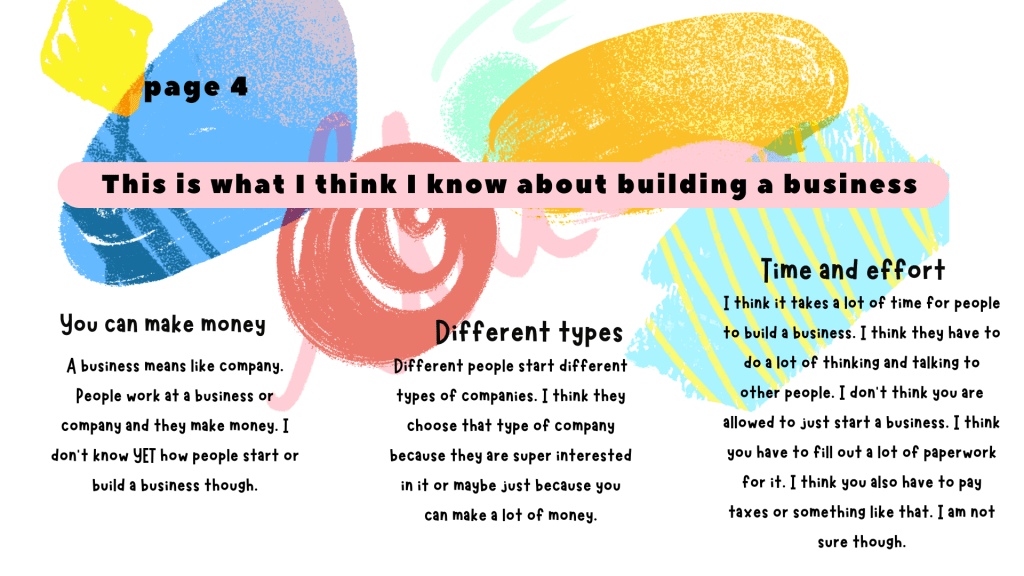
Create Page 4: This is what I think I know about……..
Give the learners time to explore what they think they know about the Flow Frame Work and Focus Choice you are going to dig deeper in. Activating prior-knowledge could be a challenge for learners who are not used to active and deep thinking yet. You might need to model it and organize it as a whole class learning experience. More skilled thinkers are able to create this page independently and share it with each other afterwards. You need to check in with what you can do to support your learners best.
Step 10:
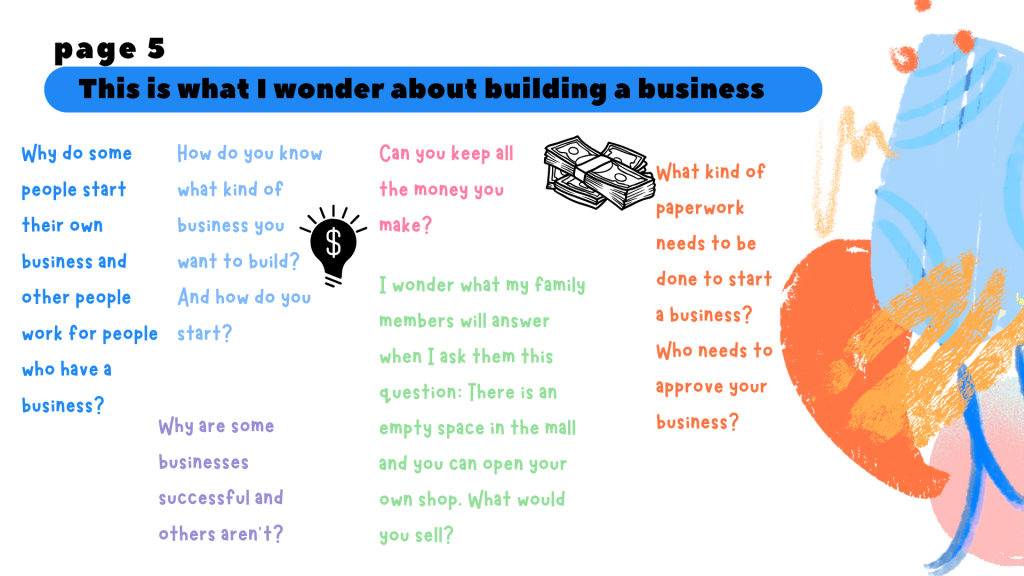
Create Page 5: This is what I wonder about….
Again, if your learners have practiced deep thinking, you can let them create this page independently. For learners who are not used to think actively, it can be quite challenging to come up with things they wonder about. Using Project Zero Thinking Routines can help to train the thinking skills of the learners. Modelling asking questions can also help the learners activate their curiosity. You can create a big Wonder Wall with all the questions about the topic to make thinking visible.
Step 11:
Create Page 6: I can categorize my questions
Have a group discussion about different types of questions: “Easy To Answer” questions, “Probably Google-able, but still fun to think about” questions, and “Non-Google-able” questions. You could also call them small and big questions, or whatever works best for your group of learners. Ask your learners what they think these categories mean and which type of questions can help you learn and grow the most.

Step 12:
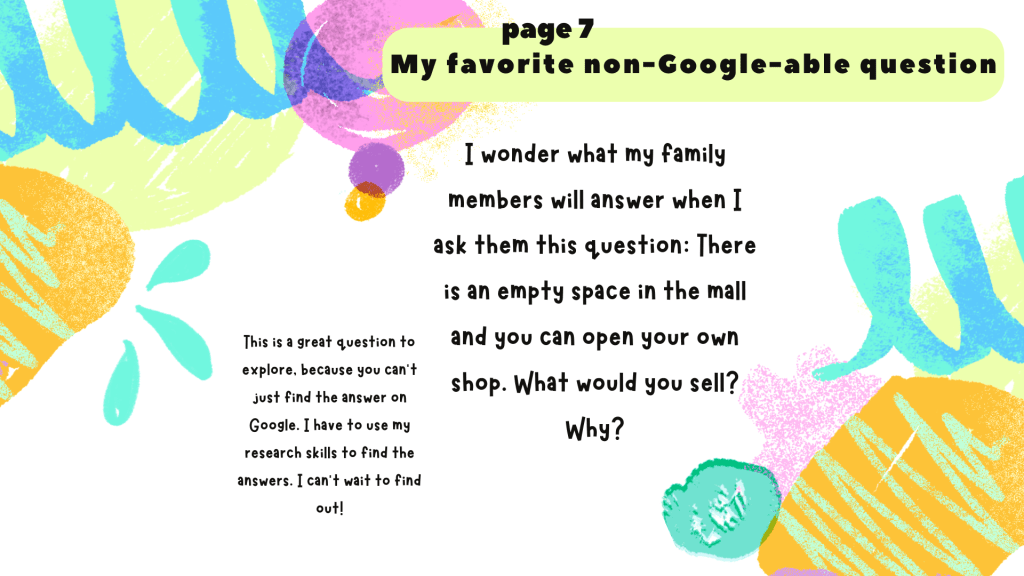
Create Page 7: My Favorite Non-Google-able Question
Each learner chooses their personal favorite Non-Google-able Question and documents this as page 7 for My Learning Story. Ask the learners why they chose this question. Ask them why they think it is not possible to find an answer to this question on Google. You can let them write all the questions of the learners on your Wonder Wall, to make their thinking visible and create a culture of thinking in your learning community.
Step 13:
Create Page 8: This is what I need to do to find my answer my Non-Google-able question
Collaborate with learners to develop a comprehensive learning plan, identifying resources, strategies, and goals to guide their inquiry and answer their non-Google-able question. Who do they think they need? What do they need from them? The learners document all this on page 8 of My Learning Story.

step 14:
Create Page 9: My Research Journal
Guide learners in documenting their research process and challenges, fostering resilience and problem-solving skills: How did your research go? What did you ask? How did it feel to ask those questions? What was challenging? When/where did you ask the questions? How did the documentation go? How did you organize the answers/data you gathered?
The learners can also add photos of them doing research to this page.

step 15:
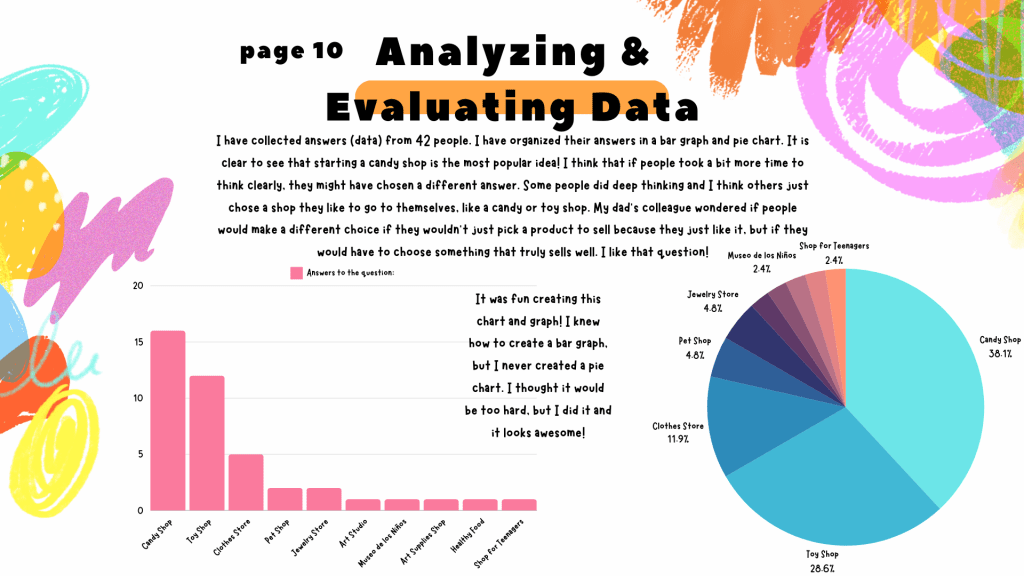
Create Page 10: Show, Observe, Analyze & Evaluate Research Results
The learners show, observe, analyze and evaluate the research results. You can host a workshop for learners who want to get more inspiration about how they could do such a thing. You can also ask learners who feel skilled and knowledeable to host the workshop about what you can do with gathered data. How this looks like depends on the prior knowledge and skills of your learners: Have they ever seen a bar graph or pie chart before? Do they know what data is? Great math learning experience!
step 16:
Create Page 11, 12 and 13
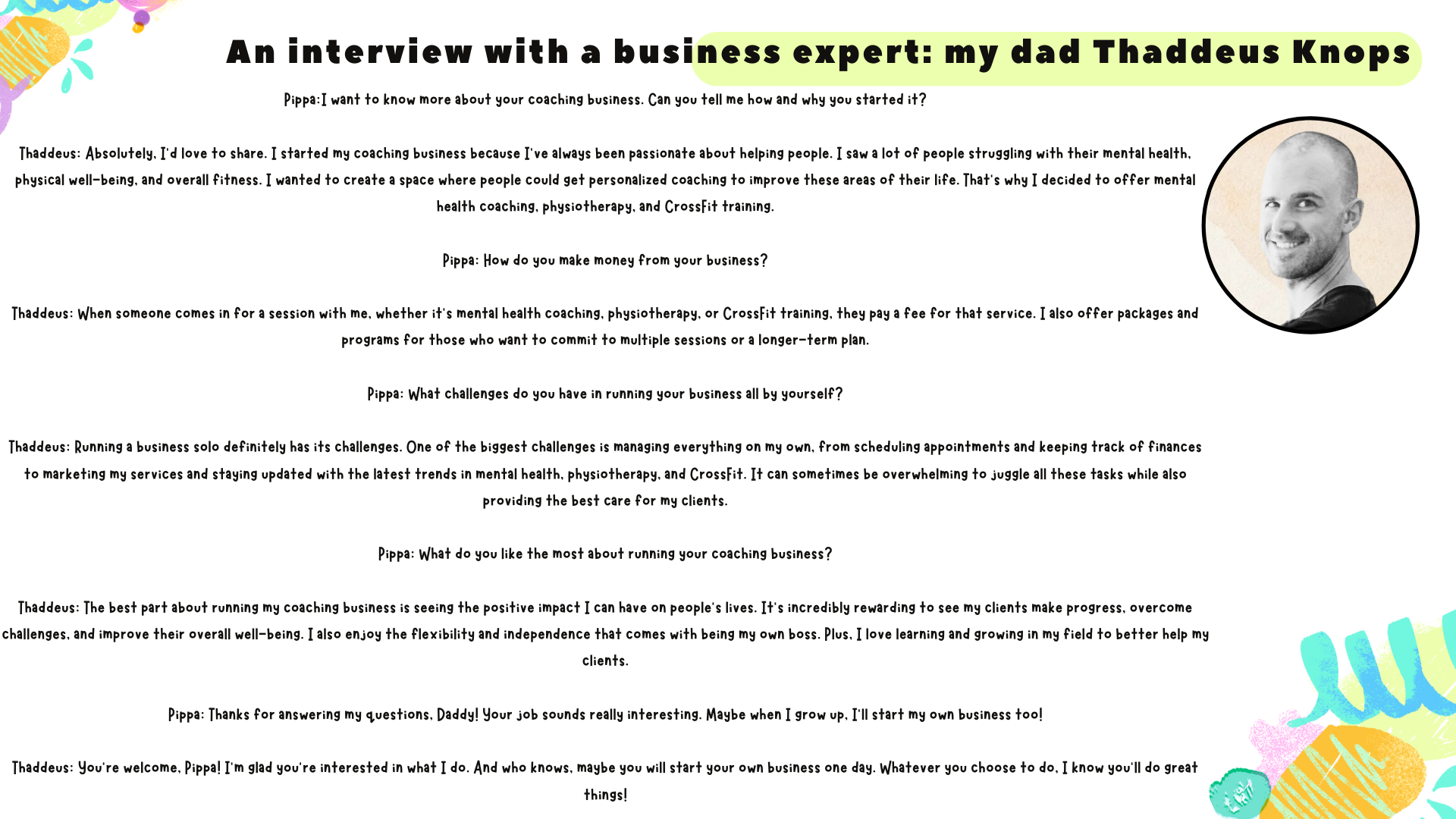
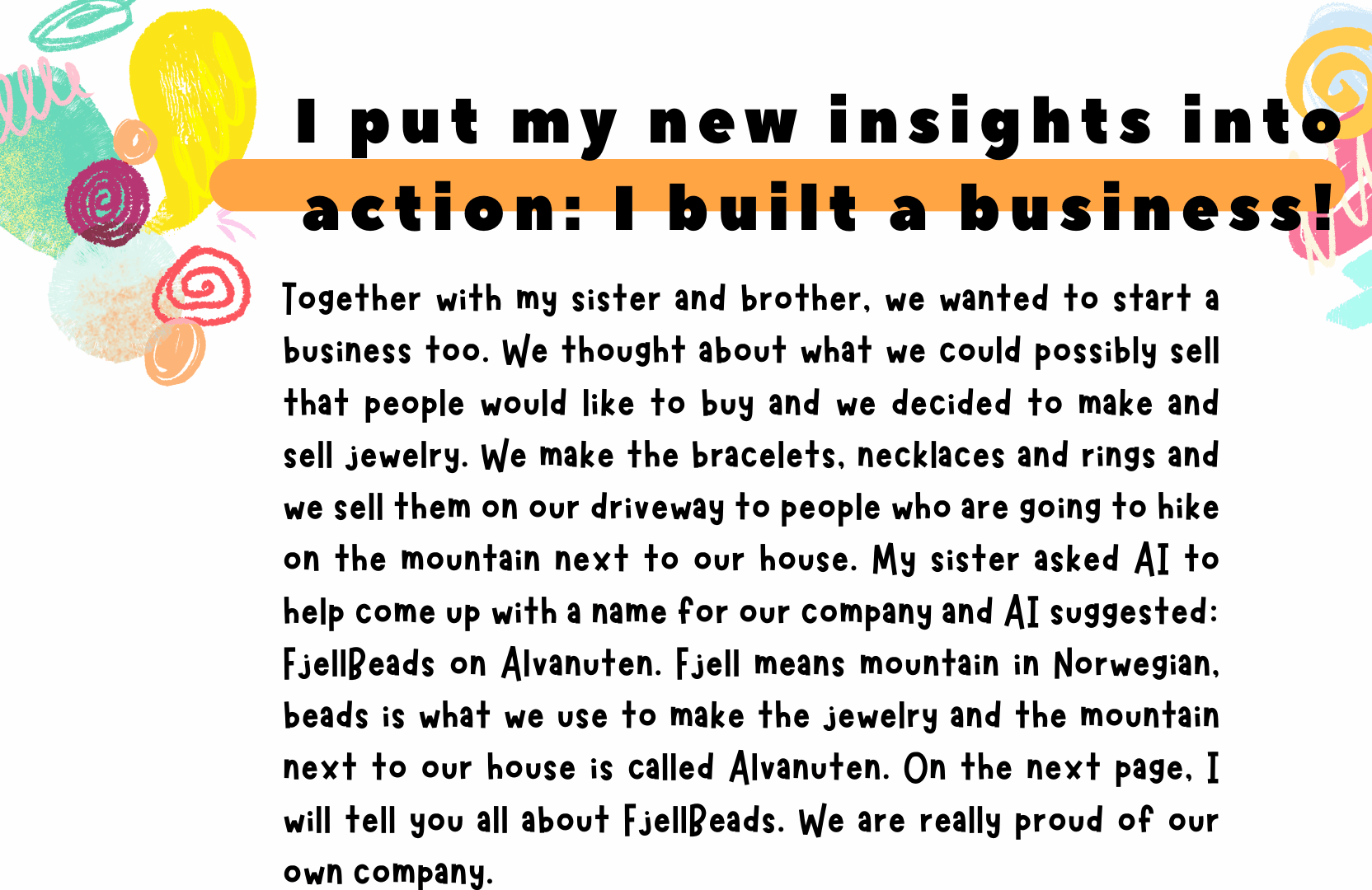
What happens after gathering and learning from the research results, is up to the learner. What is the learner curious about? What kind of action does the learner want to take? What does the learner want to dive deeper in? Look at and listen to the ideas of the learner and help them continue the exploration of what they are interested in. The learner can create their own learning experience and you as the educator can see what you can do to support the learner on this journey.
step 17:
Create Page 14: News Report
The learners share a News Report about a field trip or other special event that happened during this project/theme/unit of inquiry. Learners practice to write in a different style: journalistic writing. The learners are the journalists and describe what happened from a different perspective. They can practice creating headlines for a short piece of text and think what type of things are fun to share with an audience.
step 18:
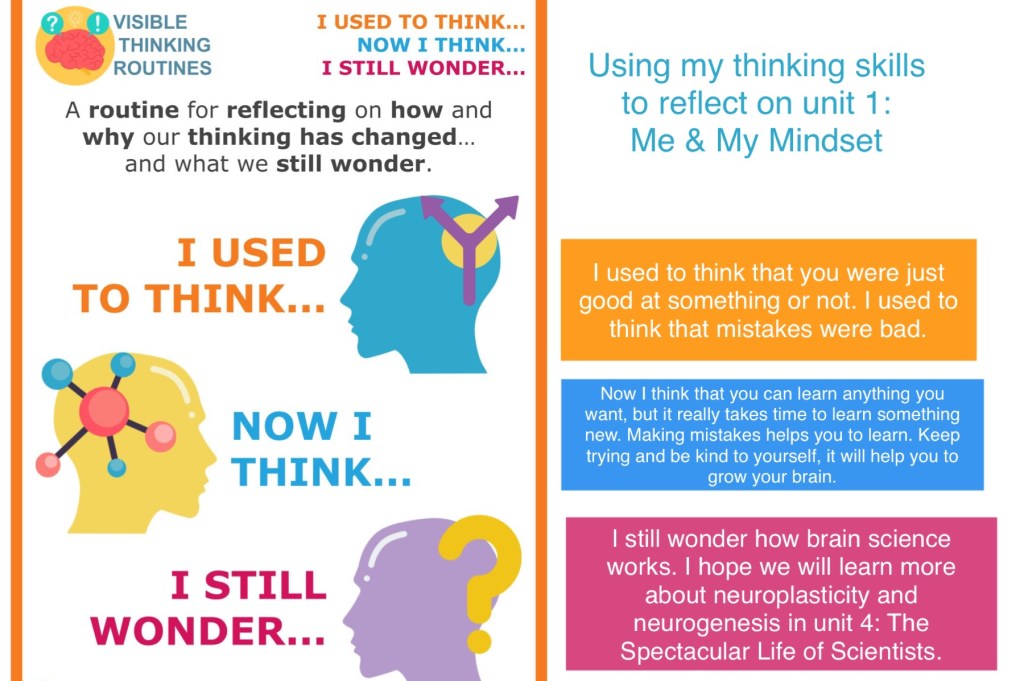
Create Page 15: I used to think, now I think/First I thought, now I know
The learners compare the knowledge and understandings they used to have about the Flow Framework and Focus Choice to what they know now. They look at page 4 (this is what I think I know) and realize how much more they know now and maybe even changed their opinion or got new insights. It is a great way to measure growth. You can read and learn more about this thinking routine on Harvard Graduate School of Education’s Project Zero. Look for the Thinking Routines Toolbox.

Another example from a different Flow Framework (All about You & Me) and Focus Choice (Me & My Mindset):
step 19:
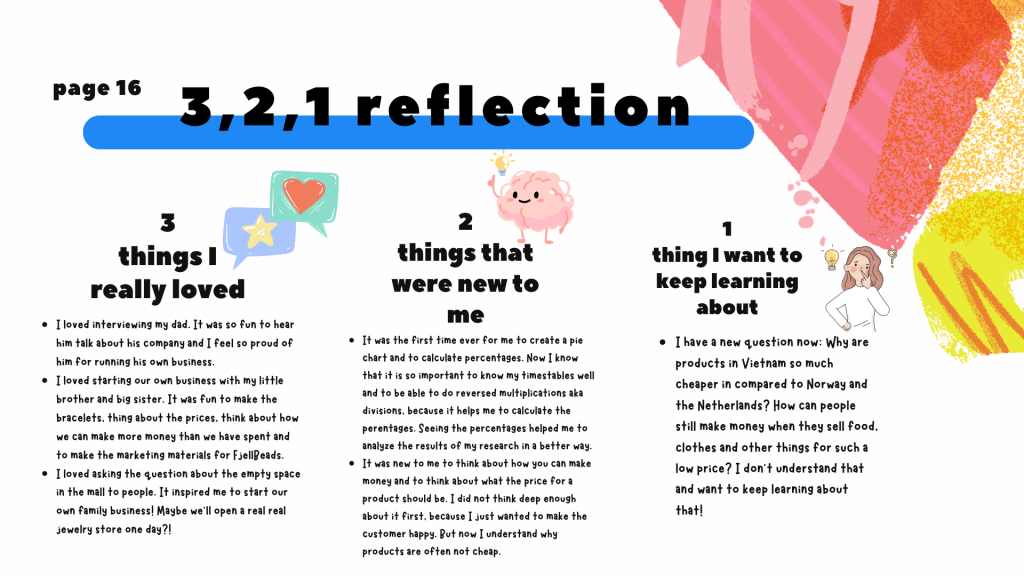
Create Page 16: 3, 2, 1 Reflect
The learners use another thinking routine: 3,2,1 Reflect. They think about and write down:
– 3 things I loved learning about
– 2 things that were new to me
– 1 thing I want to keep learning about
It is great to have a conversation with your learners about what it means to reflect and how it can help us learn and grow. Reflection is a fantastic opportunity to learn more about yourself and others. It invites learners to make more sense of experiences in relation to themselves and their peers.
step 20:
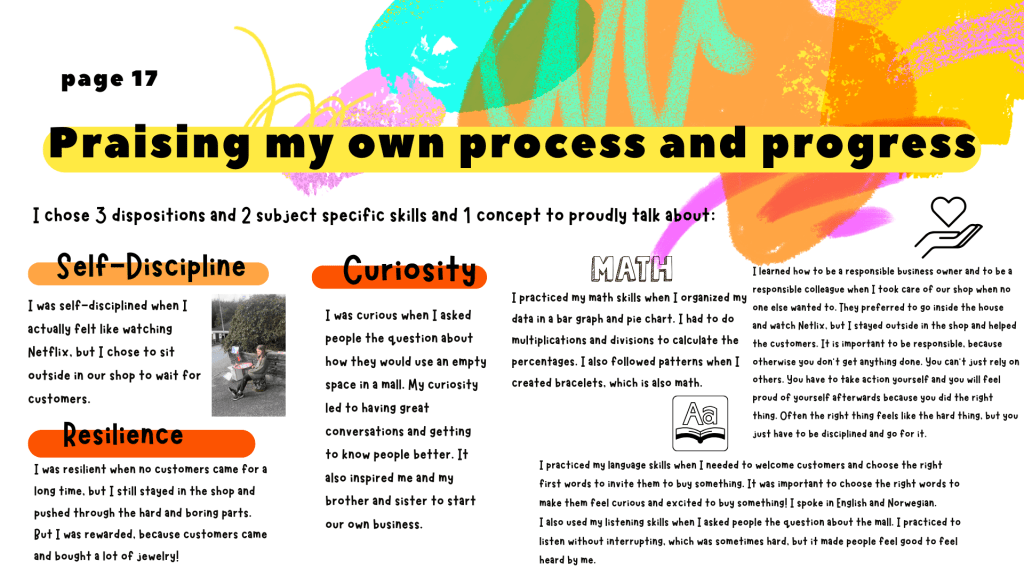
Page 17: Praising my own Process and Progress
The learners praise their own process and progress by describing examples of when they showed self-discipline, determination, intellectual humility, curiosity, skepticism, and imagination (they can choose 3 or 2 of these dispositions), subject specific skills (about 2) and a concept they learned to understand. They can choose the dispositions, skills and concepts from page 3. It is so valuable for learners to (once again) realise how much they have grown and how they made this happen themselves.
step 21:
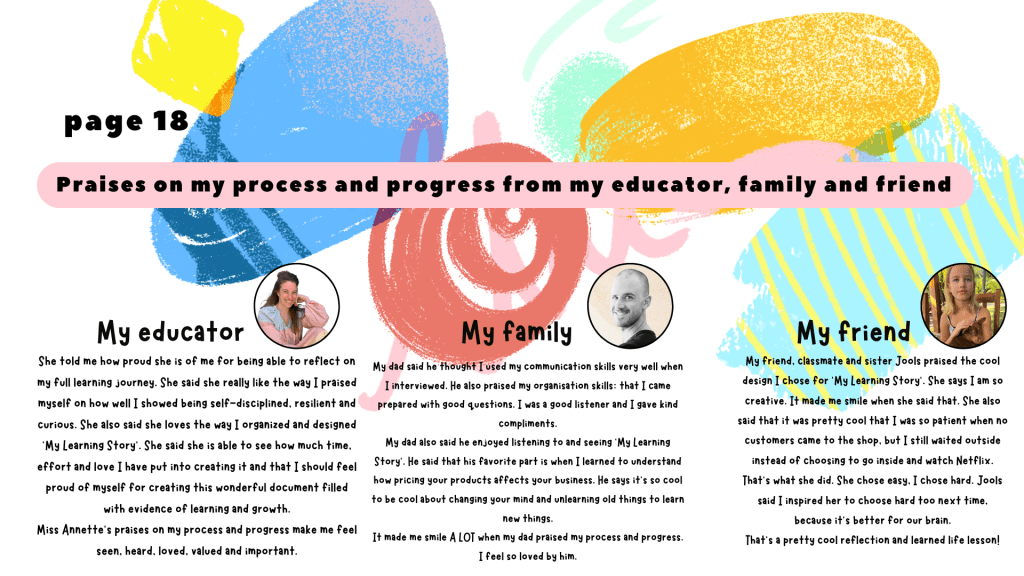
Page 18: Educators, Family & Friends Praise the Process and Progress
The learners ask their educato(s), family and friends if they have seen the learner learn and grow the past weeks during this theme/project/Unit of Inquiry. The learners write down how other people (their educator, family and friends) have praised their process and progress. They ask about it and document it on page 18. It gives the full learning community a great understanding of the learning journey and builds valuable connections with these important people in their lives.
Step 22:
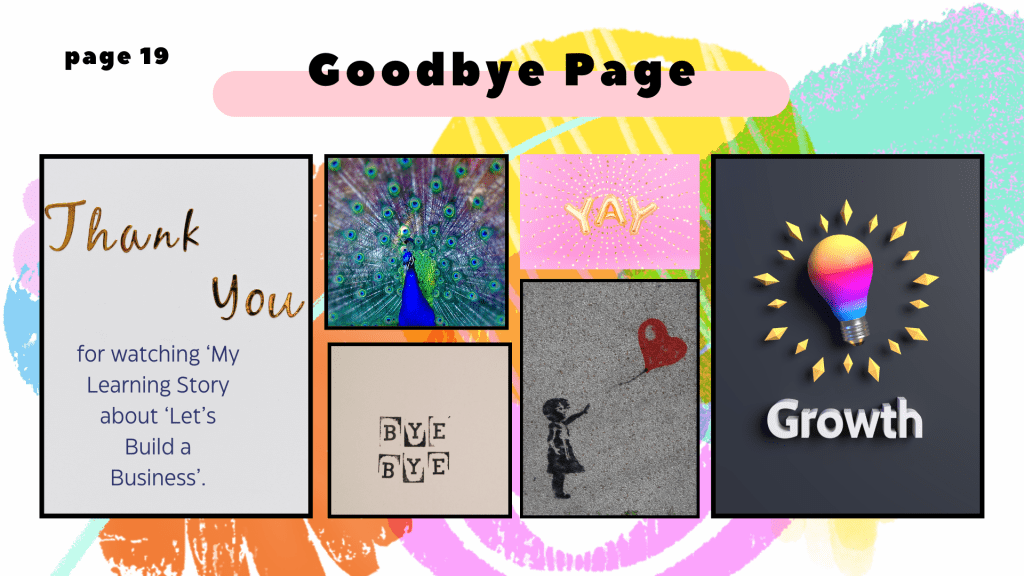
Page 19: Goodbye Page
The learners create a nice ‘goodbye page’ to thank the audience for watching ‘My Learning Story’.
Step 23:
Time to Share!
The learners can upload ‘My Learning Story’ on the platform the school uses to communicate with family members. Once it’s there, the educator also has access to ‘My Learning Story’ and can observe what they see, read and hear. It is wonderful to leave a kind comment for the learner and family to read, so they all know you -as the educator- have spent time and effort into observing the final product and praising the process and progress of learning.
Step 24:
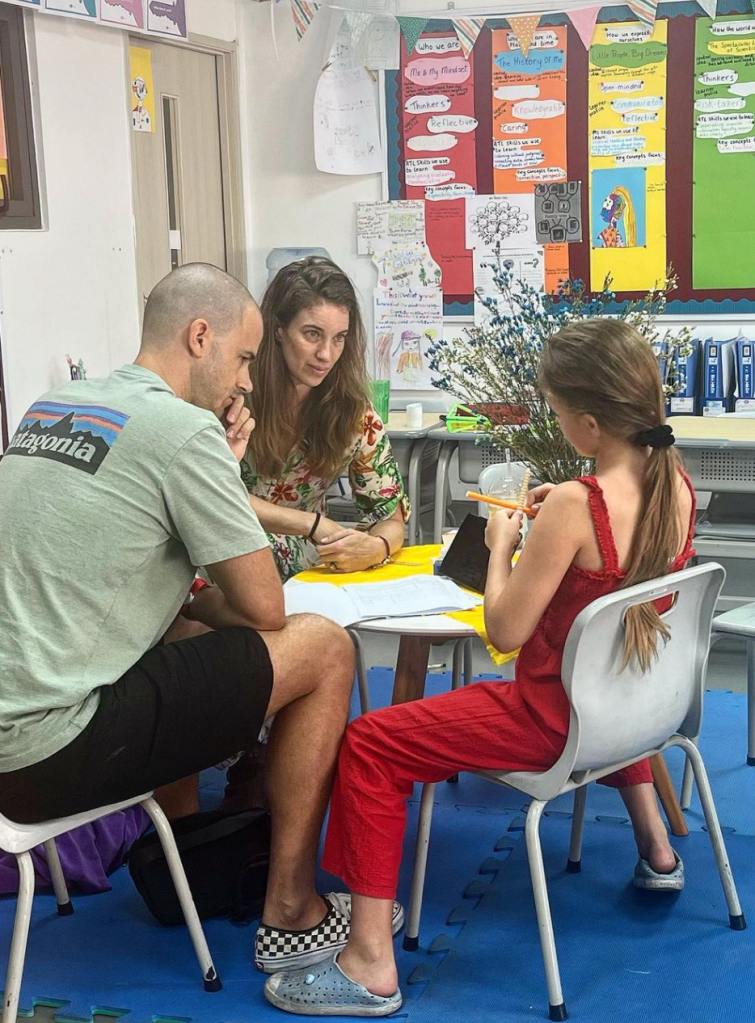
Learner Led Conferences
‘My Learning Story’ serves as a useful tool during Learner Led Conferences. The learner can proudly show evidence of the process and progress of learning and growth.
How do we measure growth in subject specific skills: Math, Norwegian and English?
Measuring Growth in Subject-Specific Skills: Math, Norwegian, and English
At Flow School, we adhere to the Norwegian Kunskapsløftet 2020 curriculum, helping our learners achieve the yearly goals outlined in this framework. More importantly, we prioritize personalized assessments tailored to each learner’s individual goals. These assessments are conducted every two months to monitor and support growth in specific subject areas.
Rather than rigidly following the curriculum, we focus on the unique needs and aspirations of each learner. For instance, if a Grade 7 student is struggling with fractions and percentages due to insufficient multiplication and division skills, we first strengthen these foundational skills before revisiting more complex topics. This approach is akin to building a house: we ensure the foundation and walls are solid before adding the roof.
Once the foundational skills are secure, learners are encouraged to advance beyond their grade level, according to their readiness and interest. We view the curriculum as a series of phases through which learners progress at their own pace.
Example:
Kitty, a Grade 3 learner, has mastered multiplications and divisions up to 100. When asked how she would like to challenge herself further, Kitty expressed a desire to tackle multiplications and divisions up to 500. Together, Kitty and her educators devised a personalized plan to achieve this goal within the next two months.
At Flow School, we are committed to nurturing each learner’s potential, ensuring they build a strong foundation before reaching for new heights.
 The Flow Approach